How Integrated Platforms Scale in Niche Digital Markets
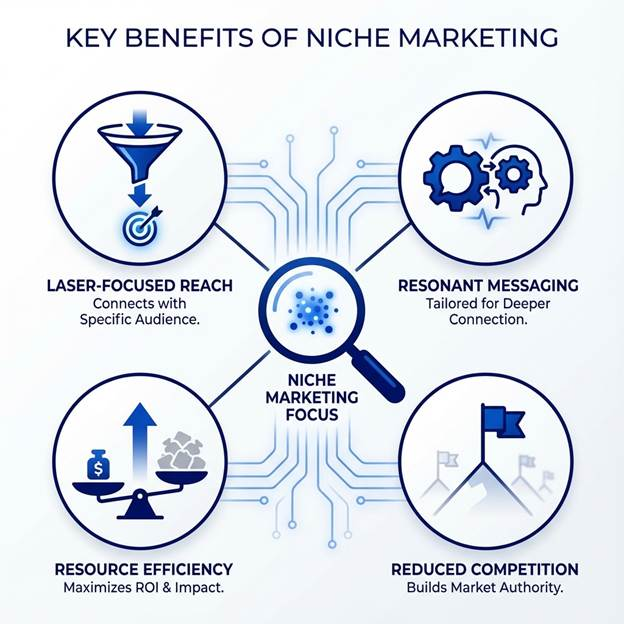
Digital markets are becoming increasingly specialized. As industries fragment into narrower verticals, platforms face a challenge that goes beyond growth: how to scale without losing clarity, usability, and identity. In niche digital markets, success is no longer defined by attracting the largest audience, but by serving a specific audience with precision and structure.
Integrated platforms have emerged as a response to this shift. Rather than expanding through volume alone, they scale by organizing complexity in ways that remain understandable and sustainable over time.
Scaling in Niche Markets Requires a Different Mindset
Unlike mass-market platforms, niche platforms operate within defined boundaries. Their users often arrive with specific intentions, expectations, and informational needs. As a result, scaling cannot rely on generic layouts or loosely connected content.
In niche environments, growth introduces friction if structure does not evolve alongside content. New pages, categories, and features can quickly overwhelm users when they are added without integration. This is why many niche platforms struggle as they grow: fragmentation replaces clarity.
Integrated platforms approach scale differently. They treat growth as a structural challenge rather than a numerical one.
What Integration Means in a Platform Context
Integration is often misunderstood as a technical solution. In practice, it is a design philosophy that aligns content, navigation, and user intent into a cohesive system.
An integrated platform ensures that:
- Content categories relate logically to one another
- Navigation reflects how users think and search
- Expansion strengthens existing structure rather than disrupting it
This alignment allows platforms to add depth without sacrificing usability. Integration turns complexity into an asset rather than a liability.
Structure as the Foundation of Sustainable Growth
In niche digital markets, structure determines how users experience scale. A well-integrated platform allows users to explore naturally, discovering new content without confusion or effort.
Instead of forcing users to search harder as content grows, integrated platforms guide them more effectively. Categories evolve with purpose, and internal relationships between content become clearer over time.
This structural clarity creates trust. Users begin to understand not only what a platform offers, but how it is organized. That understanding encourages deeper engagement and repeat visits.
Integration Reduces Long-Term Complexity
As platforms scale, operational complexity often increases. Fragmented systems require more maintenance, create duplication, and introduce inconsistencies. Integration addresses these issues by standardizing how content is created, organized, and updated.
When systems are aligned, platforms benefit from:
- Easier content management
- Reduced redundancy
- More predictable growth patterns
This operational efficiency supports long-term scalability, especially in markets where resources may be limited.
Preserving Identity While Scaling
One of the greatest risks for niche platforms is losing their identity as they expand. Without integration, platforms often drift toward generic solutions that dilute their original focus.
Integrated platforms preserve identity by ensuring that every new addition aligns with the platform’s core purpose. Growth becomes intentional rather than reactive. This alignment allows platforms to scale while remaining recognizable and relevant to their audience.
Scaling Through Clarity, Not Volume
Integrated platforms succeed in niche digital markets because they prioritize clarity over volume. They scale by refining structure, deepening organization, and aligning expansion with user intent.
As digital ecosystems continue to fragment into specialized verticals, integration will remain a defining factor in how platforms grow sustainably. In niche markets, the ability to organize complexity is not just a competitive advantage—it is a requirement for survival.