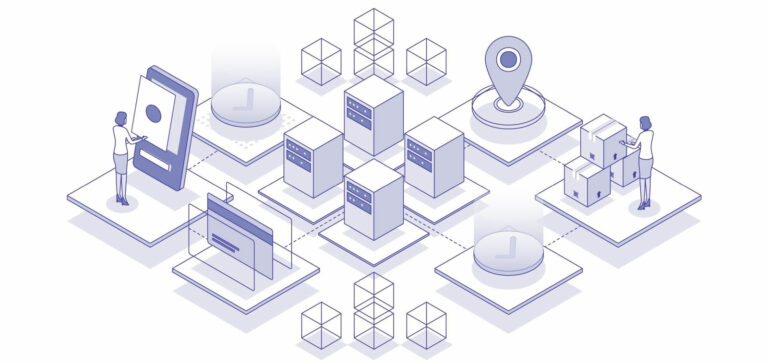
From Fragmented Content to Integrated Digital Systems
Many digital platforms begin in a fragmented state. Content is created to meet immediate needs, respond to trends, or fill gaps as they appear. In the early stages, this approach often works. Pages perform independently, traffic grows incrementally, and complexity remains manageable.
However, as platforms expand, fragmentation becomes a structural weakness. What once felt flexible begins to feel disorganized. At this stage, long-term growth depends on a shift toward integrated digital systems.
The Early Convenience of Fragmentation
Fragmented content is not inherently flawed. In fact, it is often a natural starting point. Early platforms prioritize speed and responsiveness, producing content quickly without extensive planning.
This approach allows platforms to:
- Test ideas rapidly
- Respond to user demand
- Adapt to changing conditions
In small systems, fragmentation creates agility. But agility without structure does not scale.
When Fragmentation Becomes a Liability
As content volume increases, fragmented systems introduce friction. Pages lose clear relationships, navigation becomes inconsistent, and users struggle to understand how information connects.
Common symptoms of fragmentation include:
- Overlapping categories
- Redundant content
- Confusing navigation paths
At this point, growth no longer improves usability. Instead, it amplifies confusion. Platforms that fail to address fragmentation often experience declining engagement despite increased output.
The Shift Toward Integration
Integration represents a fundamental change in how platforms think about content. Rather than treating pages as isolated units, integrated systems view content as part of a connected framework.
Integrated digital systems align:
- Content taxonomy
- Navigation logic
- User intent pathways
This alignment allows platforms to organize information cohesively, even as complexity increases. Integration does not eliminate growth; it makes growth manageable.
Systems Thinking in Digital Platforms
Integrated platforms adopt systems thinking. They consider how each piece of content fits into a broader structure rather than focusing solely on individual performance.
This perspective enables platforms to:
- Reduce redundancy
- Clarify relationships between topics
- Improve discoverability
Instead of constantly reacting to fragmentation, integrated systems anticipate it. They are designed to absorb growth without losing coherence.
Integration Improves Both Users and Operations
The benefits of integration extend beyond user experience. Internally, integrated systems simplify maintenance, updates, and expansion.
Operational advantages include:
- Consistent content standards
- Easier scaling of categories
- Reduced long-term technical debt
When content systems are unified, platforms can evolve with greater efficiency and predictability.
From Complexity to Clarity
Integration does not remove complexity—it organizes it. Well-integrated platforms allow users to navigate depth without feeling overwhelmed. Clear structure provides context, helping users understand where they are and what options exist.
This clarity transforms complexity into value. Users gain confidence in the platform, and confidence encourages exploration and repeat engagement.
Integration as a Strategic Transition
The move from fragmented content to integrated digital systems is not a cosmetic change. It represents a strategic transition in how platforms define success.
Rather than measuring progress by volume alone, integrated platforms evaluate how effectively information is connected, categorized, and understood. This shift supports sustainable growth in environments where clarity and trust matter more than scale.
Closing Perspective
Fragmentation is a natural phase in digital growth, but it is not a destination. Platforms that endure recognize the limits of disconnected content and invest in integration as a long-term strategy.
By transforming fragmented pages into cohesive systems, digital platforms position themselves for scalability, resilience, and lasting relevance in increasingly complex digital markets.